
In the digital age, discovering plants online has become an essential part of gardening, landscaping, and interior design. By leveraging searchable data structures, enthusiasts and professionals can find the perfect plants quickly, efficiently, and with confidence. Structured digital data transforms online plant discovery from a time-consuming task into a seamless, enjoyable experience.
The Power of Searchable Data Structures
Searchable data structures organize plant information in a way that allows for fast retrieval, filtering, and comparison. This approach ensures that users can access precise details without sifting through irrelevant content. Botanical plant photos support studies in ethnobotany by documenting plant uses and morphological characteristics accurately.
- Rapid Search Capabilities: Quickly locate plants based on attributes such as size, color, bloom season, or light requirements.
- Enhanced Accuracy: Structured data minimizes errors and ensures users receive reliable information.
- Customizable Filters: Easily refine searches to match specific preferences and environmental conditions.
Key Elements of Effective Plant Data Structures
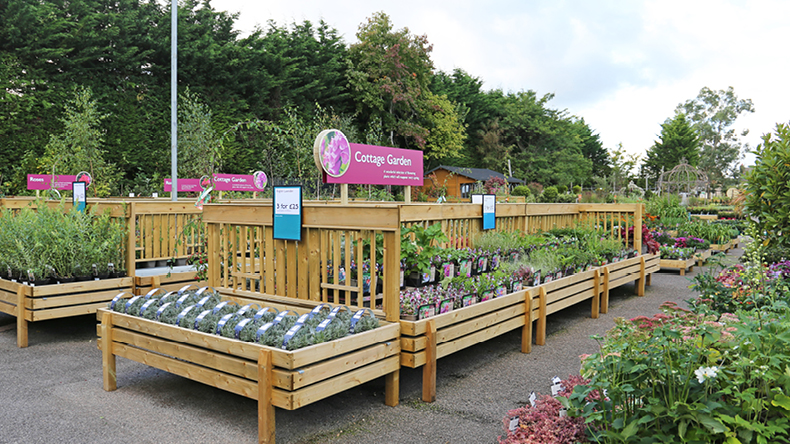
A robust searchable database relies on clearly defined attributes and consistent categorization. When implemented correctly, these structures make plant discovery intuitive and rewarding.
- Taxonomy and Classification: Organizing plants by family, genus, and species improves scientific accuracy.
- Growth Characteristics: Height, spread, growth rate, and life cycle help users choose suitable options.
- Environmental Requirements: Light, water, soil, and temperature preferences ensure optimal plant health.
- Aesthetic Features: Leaf shape, color, and flowering patterns guide design-focused choices.
- Additional Benefits: Fragrance, air-purifying qualities, and wildlife support enhance overall value.
Benefits of Online Plant Discovery With Data Structures
Using searchable data structures offers numerous advantages for gardeners, designers, and plant enthusiasts alike.
- Time Efficiency: Locate the right plants in seconds instead of hours.
- Confidence in Selection: Accurate data empowers users to make informed decisions.
- Personalized Recommendations: Data-driven suggestions align with user preferences and environmental conditions.
- Improved Planning: Easily design indoor or outdoor spaces using consistent and reliable plant information.
- Sustainability Support: Selecting plants suited to specific conditions reduces resource waste and promotes healthy growth.
Implementing Searchable Plant Data
To maximize the benefits of online plant discovery, it is important to structure data thoughtfully and maintain it consistently.
- Define Clear Attributes: Each plant should have standardized data points for easy comparison.
- Maintain Updated Records: Regular updates reflect growth patterns, seasonal changes, and new discoveries.
- Enable Dynamic Filtering: Users should refine searches based on multiple criteria simultaneously.
- Incorporate Visual Data: Images and diagrams enhance understanding and decision-making.
- Use Interactive Tools: Features like comparison charts, wishlists, and plant profiles enrich the experience.
Future of Digital Plant Discovery
The integration of searchable data structures in online platforms is transforming how plants are explored, selected, and cared for. As these systems become more sophisticated, users benefit from increased accessibility, improved learning, and enhanced satisfaction. Precision and efficiency in plant discovery create a richer, more rewarding connection with nature, even in digital spaces.
Conclusion
Improving online plant discovery with searchable data structures empowers enthusiasts and professionals to explore greenery with confidence and ease. By combining accurate data, intuitive filtering, and visually rich resources, users can find the perfect plants while saving time and promoting healthier growth. Structured plant data is a powerful tool for fostering deeper engagement, better planning, and a more enjoyable botanical journey.