
Open skin injuries can happen during daily activities, outdoor tasks, exercise, or household work. Quick and careful first aid can help protect the injured area, reduce discomfort, and support a smoother recovery. Learning the right methods also improves confidence during unexpected situations.
Stay Calm and Assess the Injury
The first step is to remain calm and examine the injury carefully. A clear assessment helps determine the safest response.
Look for the following signs:
- Depth of the wound
- Amount of bleeding
- Presence of dirt or debris
- Swelling around the area
- Skin discoloration
- Pain level and movement limitations
Minor cuts and scrapes often respond well to simple first aid, how to close a wound while deeper wounds may require professional medical attention.
Wash Hands before Providing Care
Clean hands help reduce the chance of infection. Before touching the injury:
- Wash hands thoroughly with soap and clean water
- Dry hands using a clean towel
- Use disposable gloves if available
- Avoid touching the wound unnecessarily
Maintaining cleanliness is one of the most effective steps in wound care.
Control Bleeding Safely
Stopping bleeding quickly helps protect the body and prevents further complications.
Helpful methods include:
- Apply gentle pressure using sterile gauze or a clean cloth
- Keep pressure steady for several minutes
- Raise the injured area slightly when possible
- Avoid repeated checking during the first few minutes
Most minor bleeding slows down naturally with consistent pressure.
Clean the Wound Carefully
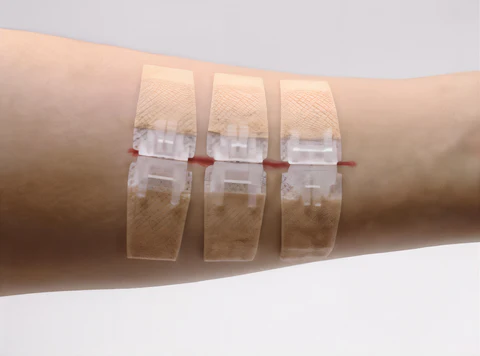
Proper cleaning removes dirt and lowers the risk of irritation.
Follow these simple steps:
- Rinse the wound with clean running water
- Remove visible debris gently with clean tweezers
- Pat the surrounding skin dry
- Avoid harsh rubbing directly on the injury
A clean wound environment supports healthy skin recovery and comfort.
Protect the Injured Area
Covering open skin injuries helps shield them from dirt and friction.
Useful protective measures include:
- Apply a sterile dressing or clean bandage
- Change coverings regularly
- Keep the area dry and clean
- Secure bandages without wrapping too tightly
Fresh coverings help maintain cleanliness while allowing the skin to heal comfortably.
Watch for Signs of Infection
Monitoring the wound daily is an important part of first aid care.
Pay attention to signs such as:
- Increasing redness
- Warmth around the wound
- Swelling that worsens
- Thick drainage
- Unpleasant odor
- Fever or ongoing discomfort
Early attention to these signs can help prevent larger complications.
Support Faster Healing
Healthy habits often improve recovery and skin repair.
Helpful practices include:
- Drink enough water
- Eat balanced meals rich in nutrients
- Rest the injured area when possible
- Avoid scratching or picking at healing skin
- Wear loose and breathable clothing around the wound
Simple care routines can make healing smoother and more comfortable.
Know When Extra Care Is Needed
Some open skin injuries require immediate medical evaluation.
Seek professional help if:
- Bleeding does not stop
- The wound is very deep
- An object remains stuck inside
- Movement becomes difficult
- The injury results from an animal bite
- Signs of infection continue to increase
Prompt action helps improve safety and recovery outcomes
Proper first aid methods for open skin injuries focus on cleanliness, protection, and careful observation. Calm and steady care can reduce discomfort, support healthy healing, and improve confidence during emergencies. Keeping basic wound care knowledge in mind makes it easier to respond effectively whenever minor injuries occur.